
Introduction
Red light therapy (RLT) is quickly gaining traction as a popular and effective skincare treatment. This non-invasive therapy uses low-level red and near-infrared light to penetrate deep into the skin, stimulating cellular repair and regeneration. Initially embraced for its anti-aging properties and its ability to reduce inflammation, RLT has now become a go-to solution for improving skin tone, boosting collagen production, and speeding up healing processes.
Despite its numerous benefits, some people are concerned about whether red light therapy might have unintended side effects, such as causing or worsening hyperpigmentation. As hyperpigmentation is a common skin condition characterized by dark spots and uneven skin tone, understanding how RLT interacts with melanin production is crucial. In this article, we’ll explore whether red light therapy poses any risks of causing hyperpigmentation and examine its potential to treat this condition.

What is Red Light Therapy?
Red light therapy (RLT) involves the use of low-level red and near-infrared light to stimulate the body’s natural healing and rejuvenation processes. Unlike other treatments that rely on heat or chemicals, RLT works by penetrating deep into the skin layers with wavelengths of light ranging from 600 to 850 nanometers. These wavelengths are absorbed by the cells, energizing them to repair, regenerate, and function more efficiently.
Commonly used in skincare, red light therapy is celebrated for its anti-aging effects, helping to reduce the appearance of fine lines, wrinkles, and age spots. It’s also widely used for wound healing, as it accelerates tissue repair by boosting blood circulation and collagen production. Additionally, RLT is effective in reducing inflammation, making it a popular option for people with acne, rosacea, or other skin conditions marked by redness and irritation.
While its therapeutic applications are broad, red light therapy’s ability to improve skin texture and tone has led to its rapid rise in popularity among those seeking non-invasive skin treatments.
What Is Hyperpigmentation?
Hyperpigmentation is a common skin condition where certain areas of the skin become darker than the surrounding skin due to an overproduction of melanin, the pigment responsible for skin color. These dark patches or spots can appear on the face, hands, or other parts of the body and can range in size and intensity.
There are several causes of hyperpigmentation, including:
- Sun Exposure: Ultraviolet (UV) rays from the sun can trigger melanin production, leading to sun spots or age spots, particularly in areas frequently exposed to the sun.
- Hormonal Changes: Conditions like melasma, often triggered by pregnancy or hormonal therapies, cause dark spots, particularly on the face.
- Acne Scarring: After acne lesions heal, they can leave behind dark spots, especially in individuals with darker skin tones.
- Inflammation: Skin trauma or irritation from conditions such as eczema, psoriasis, or allergic reactions can cause post-inflammatory hyperpigmentation (PIH), leaving darkened areas after healing.
Hyperpigmentation can affect people of all skin types, and while it’s not harmful, it can be a cosmetic concern for many. People usually use light therapy for hyperpigmentation.
Does Red Light Therapy Cause Hyperpigmentation?
Red light therapy (RLT) is highly unlikely to cause hyperpigmentation. Unlike ultraviolet (UV) light, which can harm the skin by penetrating deeply and causing cellular damage, red light operates at a non-UV wavelength. This makes it a much gentler option for the skin.
Here are key reasons why RLT is unlikely to cause or worsen hyperpigmentation:
- Non-UV Light: Red light therapy does not emit ultraviolet rays, which are a primary cause of hyperpigmentation and skin damage. Without UV exposure, there’s no risk of skin damage that could trigger excess melanin production.
- Cellular Repair and Regeneration: RLT works at a cellular level, promoting the natural healing processes of the skin. It stimulates the production of collagen and elastin, essential components for skin repair, helping to rejuvenate the skin without causing harm or increasing melanin production.
- Improvement in Skin Tone and Texture: Studies have demonstrated that RLT can actually enhance overall skin tone, reduce redness, and improve texture. It helps reduce inflammation and scarring, which can otherwise lead to post-inflammatory hyperpigmentation.
Rather than posing a risk for hyperpigmentation, red light therapy is generally considered a safe and effective treatment for improving skin health. It does does red light therapy help hyperpigmentation
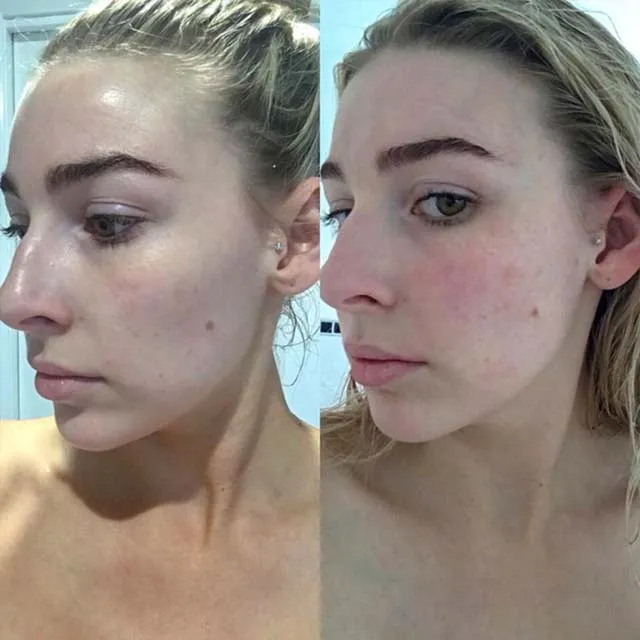
Can Red Light Therapy Improve Hyperpigmentation?
Interestingly, red light therapy (RLT) may actually help reduce hyperpigmentation rather than cause it. Here’s how RLT can improve skin tone and minimize the appearance of dark spots:
- Stimulates Collagen Production and Skin Healing: One of the primary benefits of red light therapy is its ability to boost collagen production. Collagen is crucial for skin repair, helping to heal damaged tissue and reduce the appearance of dark spots caused by acne scars, sun damage, or other factors. Increased collagen levels promote an even skin tone and improve overall skin texture.
- Reduces Inflammation: Inflammation is a key trigger for melanin production, which can lead to post-inflammatory hyperpigmentation (PIH). RLT is known for its anti-inflammatory effects, calming irritated skin and preventing excess melanin production. By reducing inflammation, red light therapy can minimize the chances of developing new dark spots or worsening existing ones.
- Evens Skin Tone: Over time, consistent use of RLT can help even out skin tone. As the therapy promotes cellular repair and reduces inflammation, the skin naturally regenerates, leading to a more uniform complexion and reduced visibility of hyperpigmentation.
A 2012 study published in the journal Dermatologic Surgery found that low-level light therapy, including red light, improved skin tone and reduced hyperpigmentation in patients after consistent use. The participants experienced smoother skin and reduced dark spots after several weeks of treatment.
And many dermatologists now recommend red light therapy as a complementary treatment for hyperpigmentation, especially for those with sensitive skin who cannot tolerate harsher treatments like chemical peels or lasers. Experts agree that red light helps repair damaged skin without causing further pigmentation issues. Red light therapy is good for hyperpigmentation
In led therapy light reduces hyperpigmentation by promoting skin healing, reducing inflammation, and gradually evening out the skin tone, making it a valuable tool in managing this condition.
Potential Risks or Side Effects of Red Light Therapy
Red light therapy (RLT) is widely considered safe and non-invasive, making it a popular choice for various skin treatments. However, as with any skincare therapy, there are some potential risks or side effects, particularly for individuals with sensitive skin.
- Temporary Redness or Irritation: Although uncommon, some people with very sensitive skin might experience temporary redness, slight irritation, or mild discomfort after a red light therapy session. These side effects are usually short-lived and resolve quickly without further complications.
- Sensitive Skin Reactions: In rare cases, those with extremely reactive skin may notice increased sensitivity after treatment. This reaction could result from prolonged exposure or using a device with higher irradiance than recommended. If irritation persists, it’s best to reduce the duration of sessions or consult a dermatologist for guidance.
To ensure the safe use of red light therapy, it’s important to:
- Use High-Quality, Certified Devices: Not all red light therapy devices are created equal. Choosing certified, high-quality devices is essential for getting effective results and minimizing risks. Inferior products may deliver inconsistent wavelengths or irradiance levels, increasing the chances of irritation or ineffective treatment.
- Follow Recommended Usage Guidelines: Overuse or incorrect application of red light therapy can lead to unwanted side effects. Stick to the device manufacturer’s guidelines on usage time and frequency. Most experts recommend starting with shorter sessions (10-20 minutes) and gradually increasing as your skin adapts to the treatment.
Red light therapy is a safe and effective skincare tool with minimal risk. For optimal results and to minimize any side effects, it’s crucial to use well-regulated devices and adhere to usage recommendations.
Best Practices for Using Red Light Therapy Hyperpigmentation
When incorporating red light therapy (RLT) into your routine to treat hyperpigmentation, following the right guidelines is essential to achieve the best results while maintaining skin health. Here are some practical tips:
-
Frequency of Use
For treating hyperpigmentation, it’s important to maintain consistency:
- Start with 3-5 sessions per week: Most people find that using red light therapy 3 to 5 times a week is effective for gradually reducing dark spots.
- Consistency is key: Hyperpigmentation doesn’t disappear overnight. Consistent use over several weeks or months is typically needed to see noticeable improvements.
-
Duration of Sessions
The duration of each RLT session can vary depending on the device used, but:
- Begin with short sessions (10-20 minutes): Start with a manageable duration, around 10 to 20 minutes per session, to allow your skin to adjust to the therapy.
- Gradually increase if needed: Over time, you can increase the duration of your sessions as your skin becomes more accustomed to the treatment, but avoid sessions longer than 20-30 minutes unless recommended by a professional.
-
Skin Types That Benefit the Most
Red light therapy can be beneficial for various skin types, but some may see more pronounced effects on hyperpigmentation:
- Sensitive skin: RLT’s non-invasive, gentle approach makes it ideal for those with sensitive skin, prone to irritation from harsher treatments.
- Aging or sun-damaged skin: Individuals with age spots or hyperpigmentation caused by prolonged sun exposure can benefit from the skin-rejuvenating effects of RLT.
- Post-inflammatory hyperpigmentation (acne scars): Those with lingering dark spots from acne may notice a gradual fading of scars with consistent use of red light therapy.
-
Combining RLT with Other Treatments
To maximize the benefits of red light therapy for hyperpigmentation, consider using it alongside other skincare treatments:
- Use sunscreen daily: Protect your skin from further sun damage by applying broad-spectrum sunscreen (SPF 30 or higher) daily. RLT can help reduce hyperpigmentation, but sun exposure can undo your progress.
- Pair with brightening serums: Ingredients like vitamin C, niacinamide, or alpha arbutin, known for their skin-brightening properties, can be used alongside RLT to target dark spots.
- Maintain a healthy skincare routine: Gentle cleansers, moisturizers, and exfoliants can help improve the overall health of your skin, complementing the benefits of red light therapy.
By following these best practices, you can enhance the effectiveness of red light therapy for treating hyperpigmentation while minimizing the risk of any adverse effects.

FAQs about Red Light Therapy and Hyperpigmentation:
No, red light therapy is unlikely to worsen hyperpigmentation. Since it doesn’t use UV light, it doesn’t damage the skin or trigger an increase in melanin production. In fact, it promotes skin healing and can help reduce dark spots over time.
Results vary depending on the severity of hyperpigmentation and consistency of use. Many people start noticing improvements after 4-6 weeks of regular use, with more pronounced results after a few months of continuous treatment.
Yes, red light therapy is generally safe for all skin types. However, individuals with very sensitive skin may experience mild redness or irritation initially. Always start with short sessions and gradually increase the time.
For optimal results, you can cleanse your skin before red light therapy and apply serums or creams after the session. Using a product like vitamin C can complement RLT by brightening the skin and enhancing its healing properties. Make sure to avoid photosensitive products before RLT.
Yes, red light therapy is generally safe for daily use, especially when treating conditions like hyperpigmentation. However, it’s often recommended to start with 3-5 sessions per week to see how your skin responds, and adjust from there.
Yes, red light therapy may help reduce the appearance of melasma, a type of hyperpigmentation caused by hormonal changes. It helps by reducing inflammation and promoting skin healing without causing further irritation or damage.
While red light therapy is safe for the skin, it’s still recommended to wear protective goggles if the device is near your eyes, especially if you’re using high-intensity devices.
Blue light therapy is unlikely to cause hyperpigmentation because it doesn’t contain UV light, which is typically responsible for skin damage and increased melanin production. Blue light therapy primarily targets the surface layer of the skin and is often used to treat acne and reduce oil production. However, since blue light can generate heat and sometimes cause inflammation in sensitive skin types, there’s a slight possibility it could aggravate certain skin conditions, like post-inflammatory hyperpigmentation (PIH), in individuals prone to such reactions.
For most people, blue light therapy is safe and effective, but those with sensitive skin or existing pigmentation concerns should monitor their skin’s reaction closely or consult a dermatologist before treatment.
The best light therapy for treating hyperpigmentation is red light therapy or near-infrared light therapy. These types of light therapy are highly effective at promoting skin healing, reducing inflammation, and evening out skin tone, all of which help reduce hyperpigmentation.
Here’s why they are most effective:
- Red Light Therapy (630-660nm): Red light penetrates the skin deeply and stimulates collagen production, boosts cell turnover, and enhances the healing of damaged tissues. These effects can help fade dark spots and improve overall skin tone.
- Near-Infrared Light Therapy (800-850nm): Near-infrared light penetrates even deeper than red light, promoting healing at the cellular level. It helps reduce inflammation and accelerates skin recovery, which is crucial for minimizing hyperpigmentation.
- Combining Red and Near-Infrared Light: Many devices combine both red and near-infrared light, offering a more comprehensive treatment for hyperpigmentation by addressing both surface and deeper skin layers.
Some treatments may also include blue light therapy for targeting acne, but it is not as effective for hyperpigmentation specifically. For long-term benefits, combining red light therapy with a solid skincare regimen, including sunscreen, can lead to the best results for those dealing with hyperpigmentation.
If you want a red light therapy device for hyperpigmentation, and don’t know which one is better. Please feel free to contact, we will recommend the most suitable one to you.