
Introduction: Why Wavelength Matters in Red Light Therapy
Red light therapy (RLT) has become a popular treatment for a variety of health and wellness applications, from skin rejuvenation to pain relief. The key to its effectiveness lies in the specific wavelengths of light used during therapy. Different wavelengths penetrate the skin and tissues at varying depths, and each has its own set of biological effects. Understanding the different wavelengths — their penetration abilities, effects on cells, and best applications — is crucial for maximizing the benefits of red light therapy.
In this article, we will explore the most commonly used wavelengths in red light therapy — from 630 nm red light to 850 nm and beyond — and how they contribute to optimal therapeutic outcomes.
By understanding the role of wavelengths of red light, you can tailor your red light therapy sessions to your specific needs, whether you’re seeking anti-aging benefits, muscle healing, or deeper tissue repair.
The Science Behind Wavelengths in Red Light Therapy
What is a Wavelength?
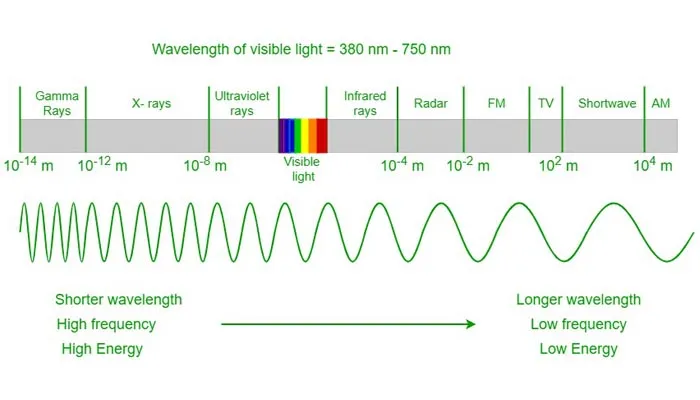
A wavelength refers to the distance between successive peaks of a light wave. It is typically measured in nanometers (nm).
Red light wavelengths typically range from 600 nm to 700 nm, with light at the lower end of this range appearing more orange, and light at the higher end appearing more red. Light in the near-infrared range (700–1000 nm) is invisible to the human eye but penetrates deeper into the skin and tissues, allowing it to provide therapeutic effects on a deeper level.
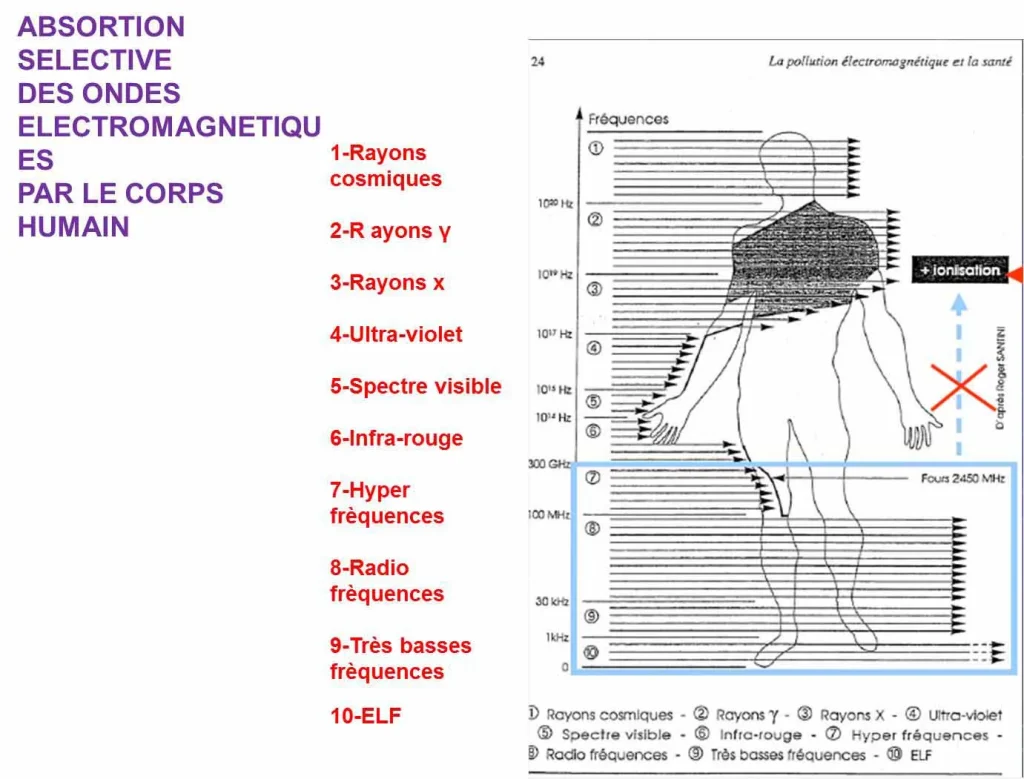
Each specific wavelength interacts with different cells and tissues in the body, stimulating various biological processes, including increased ATP production, enhanced circulation, reduced inflammation, and accelerated healing. Shorter wavelengths, like blue and violet light, tend to be absorbed in the outer layers of the skin, while longer wavelengths, like those in the red and near-infrared ranges, penetrate deeper into tissues, affecting muscles, joints, and even bones. Understanding which wavelength of red light is best suited for your needs can greatly improve the effectiveness of your therapy.
Wavelengths in the Red Light Spectrum: 600–700 nm
630 nm Red Light: Skin Rejuvenation and Collagen Production
- 630 nm Red Light: This specific wavelength is one of the most commonly used in skin treatments because it is absorbed primarily by the epidermis and dermis layers. The main benefit of 630 nm red light is its ability to stimulate collagen production, which is key for improving skin elasticity and reducing wrinkles. This wavelength is ideal for treating fine lines, age spots, and promoting overall skin health.Studies suggest that 630 nm is effective for wound healing and reducing the appearance of scars by accelerating cell turnover and enhancing circulation. If you’re targeting surface-level skin issues, 630 nm is one of the best options.
660nm / 670 nm Red Light: Treatment for Eyes and Skin
- 660nm / 670 nm Red Light for Eyes: This wavelength is also highly effective for treating the skin around the eyes, as it promotes collagen synthesis and reduces under-eye puffiness and dark circles. Additionally, 670 nm red light has shown promise in improving eye health by stimulating cellular regeneration in the tissues around the eyes, potentially reducing the risk of age-related vision problems.
Wavelengths in the Near-Infrared Spectrum: 700–1000 nm
810–850 nm: Deep Tissue Healing and Pain Relief
- 810 nm (Near-Infrared): Near-infrared light at 810 nm penetrates deep into the body, reaching muscles, joints, and even bones. This wavelength is often used for more intensive pain relief and muscle recovery. By stimulating mitochondria in cells, it enhances ATP production, which is the energy currency of cells, accelerating repair and regeneration in deep tissues.It is particularly effective for conditions such as chronic pain, arthritis, and muscle strain, as it can reach deeper tissues and provide anti-inflammatory effects. Additionally, 810 nm light has been shown to improve wound healing in deeper tissues and promote tissue regeneration.
- 830–850 nm (Near-Infrared): This range of wavelengths is highly effective for healing deep tissue injuries, such as those affecting bones, ligaments, and tendons. The therapeutic effects of 830–850 nm wavelengths are widely used in sports medicine for accelerating recovery from injuries. Studies have shown that this range of light enhances blood circulation, reduces muscle spasms, and promotes faster tissue repair.Furthermore, this wavelength has been shown to provide pain relief by modulating pain signals and reducing the inflammatory response in the body. It is often used in the treatment of joint issues, chronic muscle pain, and degenerative conditions like osteoarthritis.
850 nm vs 940 nm: The Battle of Near-Infrared Light
- 850 nm vs 940 nm: Both 850 nm and 940 nm fall under the near-infrared spectrum, but they have subtle differences in terms of penetration depth and the biological effects they produce. 850 nm light penetrates deep into tissues, making it suitable for muscle recovery, joint pain relief, and deeper tissue healing. On the other hand, 940 nm light penetrates even deeper, offering powerful benefits for bone healing, deep tissue regeneration, and chronic pain relief. However, both wavelengths are effective at stimulating mitochondrial function and ATP production, which is critical for tissue repair.
For the most intense deep tissue effects, 850 nm is typically preferred, especially for conditions like arthritis, chronic pain, and muscle strains.
1280 nm IR Light Panels: Deeper Healing and Regeneration
- 1280 nm IR Light Panels: 1280 nm infrared light is on the far end of the infrared spectrum, allowing it to penetrate even deeper into the body, reaching deeper muscles, tissues, and bones. This wavelength is particularly useful for bone healing, chronic pain, and deep tissue regeneration. 1280 nm IR light panels are often used for advanced therapeutic treatments, providing relief for people suffering from degenerative diseases, joint inflammation, and severe muscle injuries.
These panels are typically more specialized and used in clinical or home-use devices aimed at offering intensive pain management and long-term healing.
Key Differences Between Red and Near-Infrared Light
Penetration Depth and Biological Effects
- Red Light (600–700 nm): Red light is primarily absorbed by the skin and is effective for treating surface-level skin issues such as wrinkles, acne scars, and skin texture. Red light promotes collagen production and improves circulation in the superficial layers of the skin, helping to rejuvenate and restore its appearance.
- Near-Infrared Light (700–1000 nm): Near-infrared light penetrates much deeper into the body, reaching deeper tissues, muscles, joints, and even bones. It is particularly effective for muscle recovery, joint pain relief, and bone healing, as it stimulates mitochondrial function and ATP production in deeper tissues.
Optimal Wavelengths for Different Conditions
- Skin Conditions (630–660 nm): Red light in the 630–660 nm range is optimal for improving skin health. It helps with skin tone, wrinkle reduction, and collagen production, making it ideal for treating fine lines, age spots, and general skin rejuvenation.
- Pain Relief and Inflammation (810–850 nm): For treating muscle and joint pain, 850 nm red light or near-infrared light is ideal. These wavelengths stimulate deeper tissues and are effective in reducing muscle soreness, inflammation, and arthritis pain.
The 2:1 Ratio NIR to IR Diodes in Red Light Therapy
In many advanced red light therapy devices, you’ll find a 2:1 ratio of NIR (near-infrared) to IR (infrared) diodes. This ratio is designed to ensure that the device emits balanced light energy across both the red light spectrum (for skin rejuvenation) and the near-infrared spectrum (for deep tissue healing). The NIR diodes are typically placed in the 850 nm range, which is ideal for pain relief and muscle recovery, while the red light diodes are concentrated in the 630–660 nm range for collagen production and skin health.
Choosing the Right Wavelength for Specific Goals
When using red light therapy, it is important to choose the right wavelengths based on your therapeutic goals. For skin care, a red light device with a wavelength of around 660 nm is ideal. If your primary goal is to treat deeper tissues, such as muscles or joints, a near-infrared device with wavelengths of 850 nm would be more appropriate.
In some cases, using devices that emit multiple wavelengths is highly beneficial. For instance, a combination of 630 nm, 660 nm, 810 nm, and 850 nm can provide a full-spectrum treatment, addressing both superficial skin issues and deeper tissue healing simultaneously.
Conclusion: The Power of Wavelengths in Red Light Therapy
The effectiveness of red light therapy is highly dependent on the wavelength of red light used. Whether you are using 660 nm red light for skin rejuvenation, 850 nm for muscle recovery, or 1280 nm IR light panels for deep tissue healing, each wavelength offers unique benefits.
By selecting the appropriate wavelength for your specific therapeutic goals, you can experience enhanced results in pain management, skin care, and overall wellness. Whether you’re using red light wavelength for eyes, pain relief, or collagen stimulation, the power of light therapy is a valuable tool for improving your health and well-being.
FAQ
Yes, the body absorbs light most effectively in the range of 600–900 nm. Within this spectrum, 660 nm red light is one of the most commonly absorbed wavelengths, especially by the skin, and it has been shown to provide excellent results for collagen production and skin rejuvenation. 850 nm is also absorbed well by tissues for muscle healing and joint relief.
Some red light therapy devices include blue light in their spectrum to provide a broader range of benefits. Blue light is known for its antibacterial properties, making it effective in treating acne and improving skin clarity. It helps target the deeper layers of the skin where acne-causing bacteria reside. In combination with red light, blue light also enhances the rejuvenating effects on skin and reduces inflammation, helping with both healing and skin health.
Blue light primarily affects the superficial layers of the skin. It works by targeting and eliminating bacteria, which is beneficial for acne treatment. It also helps to regulate sebum production, preventing clogged pores and promoting clearer skin. When used in conjunction with red light, blue light can also promote skin regeneration by stimulating collagen production and improving circulation.
Red light therapy is generally considered safe, with very few side effects. Some people may experience mild skin irritation or sensitivity after using the therapy, especially if the sessions are too long or the light is too intense. It’s important to follow the manufacturer’s guidelines for the correct treatment time and distance. If you have underlying skin conditions, such as rosacea or eczema, consult with a healthcare professional before starting therapy.
Yes, you can use red light therapy daily, depending on your treatment goals and the device you’re using. For most people, 3–5 sessions per week is ideal, although daily use is acceptable for certain conditions like chronic pain or skin rejuvenation. Be sure to follow the recommended treatment duration and frequency for your specific device to avoid overuse.
Near-infrared light, specifically wavelengths like 850 nm, has shown potential in some studies for promoting healing in eye tissues. However, using red light therapy near the eyes requires caution. Special eyewear is recommended, and it’s essential to consult with a healthcare provider before using any red light therapy for eye conditions, as the eyes are sensitive and direct exposure can be harmful.
The frequency of red LED light refers to the number of light waves that pass through a point in one second, measured in hertz (Hz). Usually we call it pulsing function. Pulsed light may enhance the biological effects of the light, such as improving mitochondrial function or cellular repair processes, by allowing cells time to “rest” between pulses and absorb the light more efficiently.
Pulsing Frequencies and Their Effects
Common frequencies used for pulsing red light therapy range from 1 Hz to 10000 Hz, but the optimal frequency depends on the condition being treated and the device used. Here are a few general guidelines:
- Low Frequencies (1-10 Hz): Often used for pain management and inflammation. The slower frequency may help induce relaxation in the tissues and provide deeper tissue penetration.
- Mid-range Frequencies (10-50 Hz): Typically associated with wound healing, collagen production, and tissue regeneration.
- High Frequencies (50-10000 Hz): May be more effective for muscle recovery, blood circulation, and reducing muscle tension.
Benefits of Pulsing in Red Light Therapy
Pulsing light may have several benefits over continuous light in certain contexts:
- Higher Cellular Absorption: Pulsed light can potentially enhance cellular absorption by giving the cells more time to process the light between pulses, which might improve energy production at the mitochondrial level.
- Reduced Heat Buildup: Continuous light can generate heat in the treated area, which may sometimes be uncomfortable. Pulsed light helps mitigate this by allowing the device to “rest” between pulses, reducing overall heat output.
- Optimized Healing: Some studies suggest that pulsing light at certain frequencies (e.g., 10 Hz, 20 Hz) can help stimulate cellular repair mechanisms, promote blood circulation, and reduce inflammation more effectively than continuous light.
Yes, red LED lights and red lasers differ in how they deliver light. Red lasers are coherent, meaning the light waves are in phase and travel in a single direction, offering more focused energy and higher intensity. This makes lasers ideal for deep tissue treatments, such as reducing pain and inflammation. Red LEDs, on the other hand, are non-coherent and scatter light over a broader area, which can be more suitable for treating larger skin areas or for general wellness purposes.