
Red light therapy (RLT) is gaining popularity for its numerous benefits, including promoting skin health, reducing inflammation, and enhancing muscle recovery. As more people turn to RLT for its therapeutic effects, understanding the importance of eye protection during treatment becomes crucial.
While red light therapy is generally considered safe, direct exposure to red and near-infrared light can pose potential risks to eye health. Protecting your eyes during these sessions not only ensures a comfortable experience but also safeguards against any adverse effects. In this article, we will explore the necessity of eye protection for red light therapy, what kind of best eye protection for red light therapy for safely enjoying the benefits of RLT.
Do I Need Eye Protection for Red Light Therapy?
Eye protection during red light therapy is essential for several reasons:
- Sensitivity to Light: The eyes are particularly sensitive to light, including red and near-infrared wavelengths. Prolonged exposure can cause discomfort and strain, even if these wavelengths are less harmful than ultraviolet (UV) light.
- Potential Risks: While red light therapy is generally safe, there are concerns about potential risks associated with direct exposure to bright light. Users may experience temporary visual disturbances or discomfort, especially with longer sessions.
- Protecting Sensitive Tissues: The retina and other internal structures of the eye are sensitive to light exposure. Protective measures help shield these delicate tissues from any unwanted effects, ensuring that the therapeutic benefits of RLT can be enjoyed without compromising eye health.
- Increased Safety during Sessions: Using eye protection, like goggles for red light therapy, allows users to relax and focus on their therapy session without worrying about possible side effects. This can enhance the overall experience and effectiveness of the treatment.
By prioritizing eye protection, individuals can confidently partake in red light therapy, maximizing its benefits while minimizing any potential risks to their eye health.
Types of Eye Protection for Red Light Therapy
When undergoing red light therapy, it’s crucial to choose appropriate eye protection to ensure safety and comfort. Here are some effective options:
Protective Goggles: Specialized goggles designed to block or filter out specific wavelengths of light while allowing some beneficial wavelengths to pass through.
- Benefits: These goggles provide a comfortable fit and complete coverage, reducing glare and protecting the eyes from excessive light exposure.
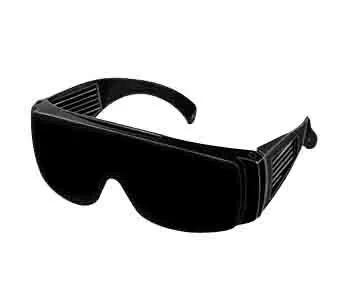
Red Light Therapy Goggles
Comfortable and easy to wear
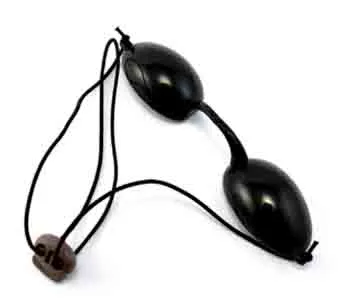
Blackout Goggles for Red Light Therapy
Blackout, less comfortable
Sunglasses: Dark-tinted sunglasses can be used as a simpler option for eye protection during red light therapy.
- Benefits: While not specifically designed for red light therapy, they can reduce brightness and provide a degree of protection. However, it’s essential to ensure they block the appropriate wavelengths effectively.
Eye Shields: Adjustable eye shields that can be placed over the eyes to shield them from direct light exposure.
- Benefits: These can be particularly useful for users who prefer a custom fit. They can be adjusted to cover the eyes fully while still allowing for visibility.
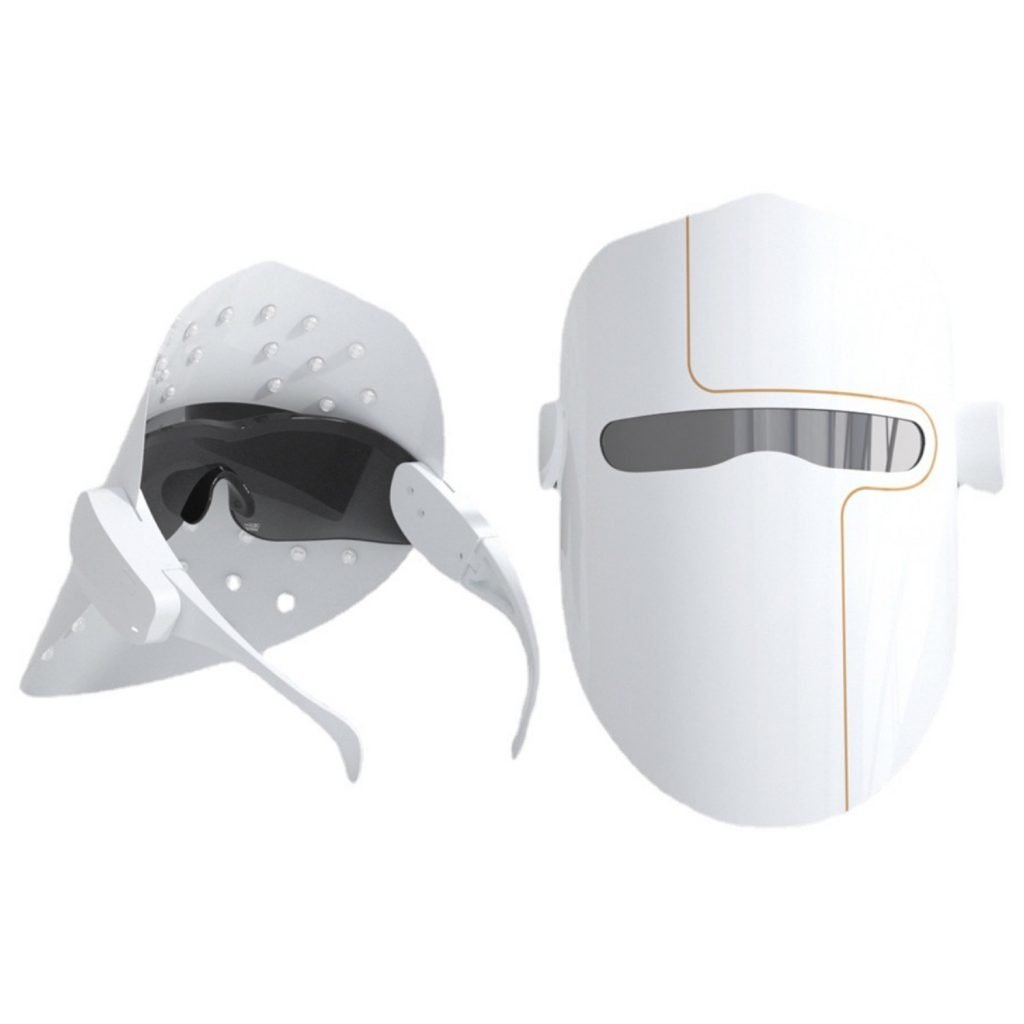
Face Masks with Eye Protection: Some red light therapy devices come with integrated face masks that provide eye protection along with coverage for the face.
- Benefits: These masks ensure that the eyes are shielded while also targeting facial skin for treatment, offering dual benefits in one product.
DIY Solutions: In the absence of specialized eyewear, some users may opt for makeshift solutions, such as wrapping a soft cloth or using a eye mask.
- Benefits: While not ideal, these methods can reduce brightness and provide temporary relief for sensitive eyes during therapy sessions.
When selecting eye protection, it’s essential to consider factors such as comfort, effectiveness, and suitability for the specific wavelengths of red light therapy being used. Proper eye protection enhances the safety and overall experience of the therapy.
FAQs about Red Light Therapy Eye Protection
Yes, eye protection is recommended to prevent potential damage from bright light exposure and to enhance comfort during therapy sessions.
Protective goggles specifically designed for red light therapy are ideal. Dark-tinted sunglasses or adjustable eye shields can also be effective alternatives.
While dark-tinted sunglasses can reduce brightness, they may not block the specific wavelengths of red light effectively. It’s best to use goggles designed for therapy.
Prolonged exposure to bright red light without protection may lead to discomfort, irritation, or potential damage to the eyes, especially for sensitive individuals.
Ensure that the goggles or shields you use filter out harmful wavelengths while allowing beneficial light to pass through. Look for products specifically labeled for use with red light therapy.
Yes, you can wear contact lenses; however, it’s still essential to use eye protection to prevent any irritation from the light.
Some devices come with integrated face masks or shields that provide eye protection along with treatment for the face, offering dual benefits.
It’s advisable to keep eye protection on for the duration of your therapy session, which typically ranges from a few minutes to about 20 minutes, depending on the device and treatment area.
If you experience discomfort or irritation, stop the session immediately and remove the device. Reassess your eye protection and consult a professional if needed.
Yes, children can use red light therapy, but they should have appropriate eye protection to safeguard their eyes during treatment.
Great question! Here’s a brief explanation, we will have details introduction about red light therapy for eyes in next post.
While red light therapy can be beneficial for eye health—potentially aiding in conditions like dry eyes or improving circulation—prolonged exposure to intense light can still cause discomfort or strain. Eye protection is necessary for several reasons:
- Light Intensity: The intensity of red light therapy devices can be quite strong. Eye protection helps to shield the eyes from excessive brightness, reducing discomfort during treatment.
- Wavelength Sensitivity: Not all wavelengths are beneficial for direct eye exposure. While certain red wavelengths may help with eye conditions, protective eyewear ensures that other wavelengths don’t cause irritation or harm.
- Sensitive Eyes: Many individuals have sensitive eyes or existing conditions that can be exacerbated by bright light. Protection helps mitigate these risks.
- Prolonged Use: For longer sessions, eye protection is crucial to avoid any potential strain or damage, especially if the therapy is being used near the face or eyes.
In summary, while red light therapy can be beneficial for eye health, using proper eye protection during treatment sessions ensures safety and comfort. Details please see our next post about red light therapy for eyes.
Eye protection is designed to block harmful wavelengths while allowing therapeutic red light to reach the intended areas. As long as the protection is properly designed, it shouldn’t significantly reduce the therapy’s effectiveness.
Signs of eye strain may include blurred vision, discomfort, headaches, sensitivity to light, or irritation. If you experience persistent symptoms, it’s advisable to consult a healthcare professional.
Generally, it can be safe, but it’s crucial to consult with a healthcare professional to ensure that there are no contraindications or interactions with other treatments you may be undergoing.
It is not recommended to use red light therapy near the eyes without proper eye protection, as the intensity of light can cause discomfort or potential harm to the eyes. Always prioritize safety.
Yes, it is recommended to use eye protection during infrared light therapy, especially when the treatment involves high-intensity light or is conducted close to the eyes. While infrared light is generally considered less harmful than visible light, prolonged exposure can still cause discomfort or strain. Using appropriate eye protection helps ensure safety while allowing the therapy to be effective.